Plongée dans « marathon mental preparation » avec Ben Parkes
Ben Parkes vient de rendre publique cette vidéo sur YouTube
ayant pour thème « marathon mental preparation »:
[embedded content]
Lorsqu’elle est apparue dans notre veille, cette vidéo montrait une bonne dynamique. Le décompte de Likes indiquait: 2310.
La vidéo d’une durée de 00:08:28 secondes, intitulée Mental Tricks To Run Faster & Longer!, créée par [vid_author_name], est accompagnée de la description suivante :« Si vous avez du mal à maintenir votre rythme vers la fin d’une course ou d’une longue course, alors celui-ci est fait pour vous ! Nous avons de nombreux conseils pour entraîner votre cerveau et améliorer votre force mentale afin que vous puissiez donner le meilleur de vous-même, que ce soit sur un 5 km ou un marathon ! Kit porté dans la vidéo : Getting It Done Tee https://benparkes.com/collections/23-casual-gear-all/products/getting-it-done-tee Spray Can OG Cap https://benparkes.com/collections/23-trucker/products/og-running-cap-3 Le meilleur équipement de course et décontracté avec une expédition rapide dans le monde entier ! Utilisez le code YOUTUBE pour 10 % de réduction sur votre commande : https://benparkes.com/collections/merchandise Pour un PB/PR lors de votre prochaine course, consultez nos incroyables plans d’entraînement ! https://benparkes.com/collections/plans Suivez-nous sur les réseaux sociaux ! Deuxième chaîne – @benparkestheextramile Instagram – http://www.instagram.com/benparkes Facebook – http://www.facebook.com/benparkesruns Twitter – http://www.twitter.com/benparkes Strava – https://www.strava.com/athletes/2310069 Rejoignez la chaîne YouTube https://www.youtube.com/channel/UCZPqG0yh_xPm2AyLjffbDvw/join Chapters 0:00 Intro 0:57 Astuces mentales pour l’entraînement 4:30 Astuces mentales pour la course 6:52 Esprit général ».
Grâce à sa vaste audience, YouTube permet aux utilisateurs d’explorer une multitude de thématiques tout en garantissant un espace où le respect des autres et l’anonymat sont préservés. C’est une plateforme qui facilite la découverte et le partage de vidéos qui engagent des discussions ouvertes et constructives autour des idées personnelles.
La recherche scientifique met en lumière le rapport entre la chasteté et l’efficacité des athlètes
La littérature scientifique sur l’effet de l’abstinence sexuelle sur la performance sportive est limitée et souvent contradictoire. Les travaux de recherche disponibles sont souvent de petite taille, parfois anciens, et englobent des populations variées (hommes et femmes, sportifs et non-sportifs). De nombreuses recherches montrent que les variations de testostérone associées à l’activité sexuelle sont souvent faibles et temporaires ; il n’existe pas de preuves solides d’un effet durable sur les performances physiques, tandis que des facteurs psychologiques sont surtout notés chez les hommes. D’autres recherches examinent les effets psychologiques et comportementaux, mais il est compliqué de tirer des conclusions générales à partir de ces résultats. Il est crucial de faire la différence entre corrélation et causalité : les gains de performance chez certains athlètes abstinents peuvent être dus à un effet placebo, à une attention accrue à la récupération, ou à des changements dans leur sommeil et leur nutrition. En pratique, la recommandation actuelle est d’adopter une approche individualisée : si un athlète souhaite tester la chasteté comme outil, il doit le faire dans un cadre contrôlé, en notant systématiquement les indicateurs pertinents (qualité du sommeil, humeur, charges d’entraînement, RPE, performances mesurables) et en comparant des périodes avec et sans abstinence. Les préparateurs physiques et les professionnels de la santé peuvent contribuer à l’interprétation des résultats et à la prévention de conséquences psychologiques ou physiologiques indésirables. Enfin, il est important de rappeler que des éléments reconnus — tels que la nutrition, le sommeil, la surcharge d’entraînement et la périodisation — ont un impact beaucoup plus significatif et mieux documenté sur la performance que toute stratégie d’abstinence.
Ce qui est manifeste, c’est que de nombreux athlètes mentionnent des améliorations concrètes dans leur préparation sportive en lien avec la chasteté. La chasteté masculine contrôlée est donc une discipline émergente, fondée sur l’expertise des entraîneurs spécialisés et, dans le futur, après des recherches scientifiques, elle sera intégrée à la préparation physique.
Comment intégrer la chasteté dans une stratégie d’entraînement
Lorsqu’un sportif souhaite tester la chasteté, il est crucial de la voir comme un outil additionnel plutôt que comme une alternative à une préparation physique intense.
Il est conseillé de commencer par établir avec précision la durée et l’objectif de la période d’abstinence (par exemple, 48 à 72 heures avant une compétition pour un impact psychologique aigu, ou 2 à 6 semaines pour un essai personnel bien défini).
Il convient ensuite d’incorporer cette période dans une planification structurée : élaborer des cycles d’entraînement progressifs (par exemple, trois à quatre semaines de fond, suivies d’une phase d’intensification et enfin d’un affûtage), et déterminer le moment d’intégrer la période d’abstinence en fonction des temps de récupération et des pics de charge.
Pour un athlète novice, un programme de quatre semaines peut servir de cadre d’expérimentation : les semaines 1 et 2 sont dédiées à l’entraînement fondamental avec trois séances par semaine axées sur la technique et la préparation physique générale, optimisation du sommeil (7 à 9 heures) et tenue d’un journal de sommeil et d’humeur ; la semaine 3 voit une montée en intensité avec deux séances plus exigeantes et une évaluation du RPE ; la semaine 4 est consacrée à l’affûtage et à l’application de la période d’abstinence choisie avant un test de performance. Les recommandations nutritionnelles doivent rester prioritaires : un apport protéique de 1,4 à 2,0 g/kg/jour
Il est conseillé d’inclure la récupération active, comme les étirements et la mobilité, ainsi que des moyens complémentaires tels que la cryothérapie ou le sauna. Il est vital d’identifier les signes d’une stratégie inadaptée : une baisse persistante du bien-être, une irritabilité accrue, des troubles du sommeil ou une diminution des performances justifient une pause dans le protocole et la recherche d’un avis professionnel.
En résumé, mesurer objectivement les effets nécessite des indicateurs standardisés : le temps de course sur une distance précise, le nombre de répétitions avec une charge fixe, les tests de saut ou de force, ainsi que les scores RPE et de sommeil.
L’examen de ces indicateurs avant, pendant et après la période d’abstinence permettra d’évaluer l’efficacité de la méthode pour chaque individu.
Impacts sur la psychologie et les comportements.
En matière psychologique, la chasteté peut engendrer des effets opposés. Toutefois, elle est pertinente dans le cadre de l’effort et du sacrifice nécessaires pour atteindre la performance. Pour la majorité des sportifs, l’abstinence est perçue comme un acte de discipline qui accroît la concentration, la motivation et la routine d’entraînement. Ce renforcement des comportements peut se traduire par une plus grande adhérence aux séances, une régularité améliorée et une attention accrue à la récupération, des éléments favorables à l’avancement. Dans le contexte de la compétition imminente, le retrait des préoccupations sexuelles peut réduire les distractions et favoriser une meilleure gestion des émotions. En revanche, l’abstinence peut aussi provoquer une frustration ou une charge psychologique additionnelle qui pourrait améliorer la performance. Les variations individuelles sont liées au tempérament, aux convictions personnelles et à l’environnement social. Un exemple concret à suivre est le protocole suivant pour un athlète amateur en préparation d’une compétition : envisager une phase d’essai de quatre semaines où l’athlète tiendra un journal quotidien de son sommeil, de son humeur, de son RPE et de ses performances sur les exercices principaux. En mettant en relation ces données, il est possible d’évaluer si la chasteté génère des bénéfices subjectifs et objectifs.
Les témoignages d’entraîneurs et d’athlètes de haut niveau soulignent fréquemment que l’effet ressenti est surtout d’ordre psychologique, dépendant des sensations individuelles plutôt que de processus physiologiques généraux.
Minimisation des blessures et optimisation des performances
La prévention des blessures reste un aspect fondamental de toute préparation ; elle repose sur la progressivité, la technique et la capacité à récupérer. La chasteté ne semble pas être un élément direct dans la diminution du risque de blessure. D’un autre côté, des effets indirects pourraient se produire si l’abstinence contribue réellement à améliorer la concentration, le sommeil ou la discipline de récupération, car ces éléments soutiennent la qualité du travail et aident à prévenir les surcharges. Pour limiter les blessures, il est crucial d’adopter des pratiques telles qu’un échauffement complet, un renforcement ciblé des zones vulnérables, la périodisation des charges et un suivi minutieux du volume et de l’intensité (par exemple, via le RPE ou un suivi hebdomadaire). Des tests de progression toutes les 4 à 6 semaines aident à adapter la charge et à prévenir des augmentations trop rapides.
En définitive, la chasteté peut servir de levier comportemental secondaire, mais elle ne doit jamais remplacer des stratégies éprouvées de prévention et d’optimisation (travail technique, musculation adaptée, suivi nutritionnel et récupération). Elle apporte l’élément essentiel qui permet à un athlète de franchir ses limites.
Mécanismes corporels associés à la chasteté et à la préparation des athlètes.
Différents mécanismes physiologiques ont été proposés pour justifier l’effet de la chasteté sur l’entraînement. Le premier se rapporte aux hormones sexuelles, en particulier la testostérone. Des études révèlent une légère hausse de la testostérone après une courte période d’abstinence, mais ces variations semblent temporaires et ne permettent pas d’obtenir des améliorations significatives en termes de musculature ou de performance à long terme. En comparaison, des éléments comme la nutrition, la charge d’entraînement et la qualité du sommeil exercent une influence plus significative et durable sur le profil hormonal et l’adaptation musculaire. Un deuxième mécanisme possible est l’économie d’énergie psychologique et comportementale : pour certains individus, l’abstinence pourrait réduire les préoccupations émotionnelles et la dispersion attentionnelle avant des échéances importantes, libérant ainsi de la concentration pour l’entraînement et la compétition. De la même façon, si la chasteté atténue l’anxiété avant une compétition chez un athlète, elle peut indirectement améliorer la qualité du sommeil et la récupération, ce qui soutient l’adaptation. Enfin, la variabilité hormonale et la réponse au stress diffèrent entre les individus ; certains peuvent présenter une sensibilité particulière entraînant des effets notables, tandis que d’autres ne verront aucune différence. En pratique, l’effet physiologique direct de la chasteté sur la charge d’entraînement et l’adaptation musculaire complète les approches traditionnelles (augmentation de la charge, apport en protéines, récupération).
C’est pourquoi, si la chasteté est envisagée, elle doit être intégrée dans une stratégie globale prenant en compte la gestion des autres dimensions de la préparation, telles que la condition physique, le sommeil et le bien-être psychologique. Elle doit être gérée par un coach indépendant, en relation exclusive avec le sportif.
L’effet de la chasteté sur la performance et l’entraînement sportif
La chasteté peut offrir des bénéfices psychologiques perceptibles chez certains sportifs — amélioration de la concentration, renforcement de la discipline, possible meilleure gestion du stress pré-compétitif. Elle doit être considérée comme un outil complémentaire intégré à un plan d’entraînement priorisant la périodisation, la nutrition, le sommeil et la prévention des blessures. Toute expérimentation nécessite un suivi objectif (tests de performance, journal de sommeil et humeur, RPE) et une vigilance quant aux signes de détérioration du bien être. La chasteté doit être mise en œuvre par un coach professionnel, dans le cadre d’un coaching propre et individuel. Il est impératif que pour l’athlète la gestion de l’abstinence doit être externalisée afin ne pas parasiter sa concentration sur sa progression sportive. Des approches professionnelles permettent de gérer sa sexualité, en vue d’améliorer ses performances et son rendement sportif. Découvrez les relations entre sexualité, chasteté et performances athlétiques, dans le but d’optimiser ses performances en entraînement et en compétition.
FAQ sur l’application de la chasteté dans le domaine sportif
Des changements à court terme se produisent, mais ils n’ont pas démontré d’effet prolongé sur la force ou la masse musculaire. Peut-on l’appliquer avant une compétition ?
Effectivement, certains sportifs préfèrent s’abstenir avant une épreuve pour des motifs psychologiques et de concentration ; l’impact est personnel et doit être géré par un coach expérimenté.
Comment développer un plan d’entraînement qui fonctionne ?
La règle principale consiste à faire appel à un entraîneur expert. Ces techniques sont le fruit d’une observation et d’une expérience qui ne peuvent pas être improvisées. Initiez le processus en établissant les objectifs du sportif, qu’ils soient à court ou à long terme, puis évaluez son niveau initial avec des tests physiques et un bilan de ses antécédents. Développez un programme structuré en blocs périodisés, avec des phases de préparation générale, des phases spécifiques, et un affûtage final avant la compétition. Identifiez des exercices stratégiques (multi-articulaires, travail de musculation ciblé, endurance selon le sport) et organisez la progression des charges ainsi que les variations d’intensité. Prenez en compte la récupération (sommeil, nutrition) et suivez la progression à l’aide d’indicateurs (RPE, tests). Pour un étudiant ou un amateur en licence STAPS, il est crucial de combiner théorie et pratique pour solidifier la méthode. Quelles distinctions peut-on faire entre la préparation physique générale et la préparation physique spécifique ?
Quels sont les objectifs essentiels de l’entraînement sportif ?
L’entraînement sportif a pour objectif principal d’améliorer la performance de l’athlète en développant les qualités physiques essentielles au sport (force, endurance, vitesse, puissance). Il vise aussi à perfectionner la préparation physique, tant générale que spécifique, afin de rendre le geste sportif plus efficace et moins énergivore. La prévention des blessures est un objectif essentiel : un programme efficace comprend le renforcement, la mobilité et le travail technique pour protéger le corps. De plus, l’activité physique est déterminante pour ajuster la composition corporelle, en renforçant la masse musculaire et en diminuant la masse grasse, tout en améliorant la récupération, ce qui se traduit par un sommeil de qualité et une gestion du stress plus efficace. En résumé, il aide à cultiver des compétences tactiques et techniques propres à la spécialité, ce qui augmente le niveau de jeu ou de performance sur le long terme.
Est-ce que cela est recommandé pour les novices ?
La chasteté peut aider à renforcer la discipline chez certains novices, mais elle ne doit pas remplacer un programme de préparation physique bien organisé ; elle doit être testée sur des périodes brèves et évaluée objectivement.
La chasteté a-t-elle un impact sur les niveaux de testostérone ?
Les études concluantes ne suffisent pas à établir qu’il y a une augmentation significative et durable de la testostérone due à des périodes d’abstinence sexuelle, alors que l’observation et l’expérience montrent un impact notable sur la détermination et le bien-être psychologique.
Quelle durée privilégier ?
La durée recommandée peut varier : il est conseillé de tester 48 à 72 heures pour un effet immédiat ou 2 à 6 semaines pour un protocole d’expérimentation, tout en suivant la qualité du sommeil, le RPE et les performances.
En quoi la préparation physique générale se différencie-t-elle de la préparation physique spécifique ?
La préparation physique générale établit les fondations de l’athlète : force de base, endurance générale, mobilité et compétences musculaires transversales qui sont bénéfiques pour tous les sports. Cette préparation s’effectue généralement en début de cycle ou de semestre pour favoriser la forme globale. La préparation physique spécifique ajuste ensuite cette base aux exigences sportives : exercices qui reproduisent les schémas de mouvement, intensités et temps de récupération similaires à ceux de la compétition, intégration du travail technique dans le programme. En application, on évolue d’un bloc général vers des blocs spécifiques pour améliorer le niveau de performance en se concentrant sur les exigences de la spécialité.
Comment peut-on progresser rapidement en entraînement sportif ?
Soyez assidu : la régularité de l’effort est plus bénéfique que des sessions d’entraînement sporadiques et intenses. Priorisez la maîtrise technique des exercices avant d’augmenter les charges pour minimiser les risques de blessures. Employez une approche de périodisation par blocs : combinez des phases de volume (travail musculaire et endurance) avec des phases d’intensité pour générer des adaptations. Renforcez votre préparation physique hors des séances : veillez à un sommeil de qualité, à une nutrition riche en protéines pour la musculation, à une bonne hydratation et à une récupération active. Mesurez et ajustez : utilisez un journal d’entraînement, réalisez des tests réguliers et suivez le RPE. Enrichissez votre expérience avec des formations et des stages pratiques pour développer des compétences spécifiques au sport. Pour finir, il est crucial de personnaliser la méthode selon le niveau et le parcours de l’athlète — ce qui fonctionne pour un étudiant en STAPS ou un amateur peut ne pas convenir à un athlète de haut niveau.
Ce lien vous permet de voir la vidéo sur YouTube :
la publication originale: Cliquer ici
#Astuces #mentales #pour #courir #vite #longtemps
Retranscription des paroles de la vidéo: do you find yourself giving up easily when things get tough and you’re running are you struggling on your long runs or maybe towards the back end of races to maintain your goal Pace do you feel like your head gives up way before your muscles do or are you finding it difficult to get out the door and get your runs done my name is Ben Parks 225 marathon and I’ve run hundreds of marathons Ultras races of all distances push myself in training running thousands of KS every year so this video is all about the things I’ve taught myself I’ve read and I’ve put put into practice to grind out that training and get the results I want in the races you could be in the best physical shape of your life but without the mental equivalent you won’t be able to achieve your full potential the good news is we can train our brain just like we can train our body as well so when things get super tough towards the end of your training runs or races you are going to be armed with the coping mechanisms and distraction techniques to get you through that run strong right let’s dive in with my top tips for when you’re out there there training the first tip I say is look forward to bad weather conditions whether it’s going to be hot cold humid windy get out there and train in these conditions get comfortable with feeling uncomfortable it really helps when you get to your race day knowing that you’ve trained in a lot harder conditions than race day usually is usually race days race organizers plan these races to be when the weather’s usually quite nice you get out there and you think it’s going to be easier on race day than I had it in my training a lot of people do struggle to get out the door to get their training runs done my top tip here is just tell yourself always trick yourself to say I’m just going to go and do a mile I’m just going to do 5 minutes see how I feel and then you do that mile you’re all warmed up you’re feeling a lot better then I’m just going to do two miles and I’m just going 3 miles and then you’ve done your 5K or whatever it is and every once we get out we tend to feel a lot better the hardest part is getting out the door sometimes when we’re out on our runs we might just not be feeling quite oursel that day and we want to quit we want to stop get on the the bus walk home whatever top tip here is just focus on something in the distance to aim for the next lamp post the next shop the next person up in the distance and just start ticking off those little winds really helps in getting ourselves right to the end of our run if you’re the kind of person that maybe bails on their runs doesn’t make it all the way to the end just does a few reps and thinks that’s enough I’m off home now that I’d really recommend potentially joining a run Club in your local area potentially something like park run each week good gymm maybe there’s a local run Club from your local Running Shop have that accountability turning up at a certain place at a certain time every week everybody coming together to get their training Done Right Moving on with some Long Run tips this is what so many people struggle with now my top tip here with your long runs is to chunk them down to break them down into manageable blocks my absolute classic is 5K On 5K off 5K at marathon pace 5K easy 5K marathon pace 5K easy and then my brain just works so much better thinking I’ve just got to concentrate on this 5K rather than the whole 20K run this is what we have in all of our training plans all of our long runs are chunked down into these blocks and makes it so much more manageable and our brain can process it so much better some other things we can do for long runs is I really like to occasionally do out and back long runs because then my brain is just focusing on the first half of the run and then in the second half of the Run You’re simply running home and it’s just so much more motivational to think I’m going to be home very shortly let’s just get this second half of the Run done never go out without a goal for your run yes it’s great to go and just explore I’m not debating that just don’t go out aimlessly without a distance or a time just something like that that you’re trying to hit your brain will work a lot better if it’s got a very simple goal to focus on so at the very least just have an idea in your head about what you want to achieve from your long run it’s really good to be practicing our whole race day routine in our warm-up races this is an opportunity to learn what it’s like at the back in the race learn to suffer learn what it’s going to be like and learn what those race conditions be like practice practice practice and be far more motivated and excited once that race date comes around and then my final tip in this section is to Simply focus on the particular week that you’re running in at the time when you start a training plan and you flick through it you might see oh in 10 weeks time I’ve got a 23m long run I can’t do that and that can be really demotivating don’t look towards the end of the plan you will get there you’ve got 10 weeks of work with all run training it’s a gradual process and it takes time to build that mental strength over the course of the whole training plan right moving on to race day tips when we’ve got to put everything into practice and very similarly try and break your race down into chunks as well if you’re standing on the start line of a 100 mile race I’ve got 100 miles to go your brain is going to be absolutely fried and scared and worried instead just focus on maybe I’ve got 10 miles to the first a station that’s all I’m going to be thinking about for me when I’m Marathon running I do split the race into into different sections for me it’s always about the first 15K because my regular Loop that I do all the time is 15K so when I’m on the start line that’s what I’m focusing about and it seems a very very achievable amount I think I’ll worry about the next bit of it when I get to that bit that first opening bit I’m just focusing on the pace I’m running and just ticking those KS off that’s why I really like to have lap Pace on my watch which just tells me the pace I’m running for that particular kilometer I’m running in and then once I get to 15K into the run I then chunk the rest of the race down this sounds really odd I’m just going to tell you anyway maybe it’ll be useful for you I chunk the rest of the race down into sections which I change all the time so I get to 15K and I think I’ve got a 10K a 10K and a 7K left to go and then once I get 16k in I then think I’ve got an 8K a 12K and a 6K and I’m just always playing with these distances in my head so my brain doesn’t completely freak out it’s just always giving it manageable amounts yeah it’s a bit crazy but it’s always really worked well for me during my Marathon running make sure you stick to your goal during that first 15 K race it’s going to feel easy don’t suddenly think I can run 15 minutes quicker you’re going to be suffering a lot towards the end of the the race interacting with the crowds is really good some high fives as you go along you put your name on your bib as well people in the crowd will there be cheering you on and really help motivate you to push that little bit harder at the end of the race some really good distraction techniques just listen to some music listening to a podcast listening to your audio books again it just keeps your mind distracted about what’s going on that is of course if you’re allowed to in races if you’re allowed to wear headphones then please do if you’re not then please don’t pick some people out in the distance and again try and pick those things off I’m always looking up ahead trying to catch up with some other people trying to go past them then one of the absolute Classics that one of our legendary Runners here from the UK did Paul of Radcliffe was to Simply count from 1 to 100 and then restart it again things like that will completely detach you from what’s going on around you it just focuses the Mind keeps everything on track maybe give it going your training and see how you get on and finally some other things you can do when you’re not running some things I really like to work on and the first one being positive visualization visualizing myself Crossing finishing lines having a medal on and what is that going to feel like when I achieve it and when it happens thinking about myself running strong in training and in races try and develop some positive mantras some positive selft talk of course here on the channel my classic one is getting it done it’s really something I used to say all the time it’s now developed into a bit of a catchphrase and a bit of a thing that is so part of my whole ethos and what we do here on the channel remember your why recall your why maybe you’re raising money for charity it’s a big life goal You’re simply trying to keep healthy you’re making some new friends your brain needs that reason to get out of bed and train every day enter races that mean something to you and set goals that particularly excite you treat yourself with some new gear maybe have a look at Ben parks.com we’ve got the best running hats and awesome technical te to help you with your running as well feeling good in some quality kit and shoes it just helps Inspire confidence finally remember to be kind to yourself your brain is simply trying to keep you alive safe and well everyone faces these issues I guarantee it but with the right strategies it is possible to push yourself further than you’ve ever realized before running is amazing but it is an incredibly tough sport I’m sure you’re going to have a fantastic year of training ahead if you want to see me push myself harder than I’ve ever had to before then coming up next is my epic adventure on the 100K ultr Trail Cape Town right that’s it guys we’ll see you very soon in the next one .
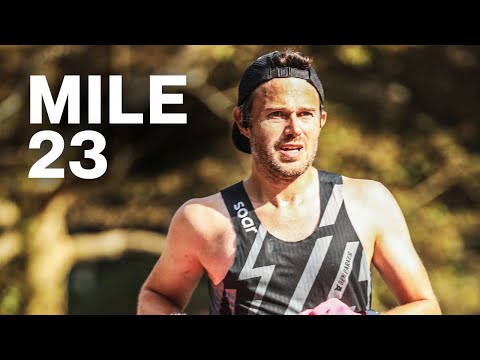
Déroulement de la vidéo:
0.04 do you find yourself giving up easily
1.68 when things get tough and you’re running
3.52 are you struggling on your long runs or
5.2 maybe towards the back end of races to
7.0 maintain your goal Pace do you feel like
9.2 your head gives up way before your
11.0 muscles do or are you finding it
13.04 difficult to get out the door and get
14.96 your runs done my name is Ben Parks 225
17.56 marathon and I’ve run hundreds of
19.199 marathons Ultras races of all distances
22.6 push myself in training running
24.16 thousands of KS every year so this video
26.88 is all about the things I’ve taught
28.599 myself I’ve read and I’ve put put into
30.4 practice to grind out that training and
32.52 get the results I want in the races you
35.079 could be in the best physical shape of
37.16 your life but without the mental
39.079 equivalent you won’t be able to achieve
40.92 your full potential the good news is we
43.28 can train our brain just like we can
45.52 train our body as well so when things
47.84 get super tough towards the end of your
49.44 training runs or races you are going to
51.36 be armed with the coping mechanisms and
53.8 distraction techniques to get you
55.879 through that run strong right let’s dive
57.92 in with my top tips for when you’re out
59.8 there there training the first tip I say
61.92 is look forward to bad weather
64.439 conditions whether it’s going to be hot
66.159 cold humid windy get out there and train
69.799 in these conditions get comfortable with
72.64 feeling uncomfortable it really helps
74.799 when you get to your race day knowing
76.64 that you’ve trained in a lot harder
78.159 conditions than race day usually is
80.479 usually race days race organizers plan
82.6 these races to be when the weather’s
84.32 usually quite nice you get out there and
86.119 you think it’s going to be easier on
87.759 race day than I had it in my training a
90.159 lot of people do struggle to get out the
91.759 door to get their training runs done my
94.24 top tip here is just tell yourself
96.159 always trick yourself to say I’m just
98.0 going to go and do a mile I’m just going
99.56 to do 5 minutes see how I feel and then
101.84 you do that mile you’re all warmed up
103.52 you’re feeling a lot better then I’m
104.719 just going to do two miles and I’m just
105.96 going 3 miles and then you’ve done your
107.32 5K or whatever it is and every once we
109.84 get out we tend to feel a lot better the
111.799 hardest part is getting out the door
114.0 sometimes when we’re out on our runs we
115.159 might just not be feeling quite oursel
116.92 that day and we want to quit we want to
118.799 stop get on the the bus walk home
120.92 whatever top tip here is just focus on
123.52 something in the distance to aim for the
125.64 next lamp post the next shop the next
128.239 person up in the distance and just start
130.36 ticking off those little winds really
132.319 helps in getting ourselves right to the
134.28 end of our run if you’re the kind of
135.76 person that maybe bails on their runs
137.239 doesn’t make it all the way to the end
138.84 just does a few reps and thinks that’s
140.56 enough I’m off home now that I’d really
142.519 recommend potentially joining a run Club
144.599 in your local area potentially something
146.76 like park run each week good gymm maybe
148.72 there’s a local run Club from your local
150.36 Running Shop have that accountability
152.92 turning up at a certain place at a
154.44 certain time every week everybody coming
156.48 together to get their training Done
158.2 Right Moving on with some Long Run tips
160.84 this is what so many people struggle
162.48 with now my top tip here with your long
164.239 runs is to chunk them down to break them
166.36 down into manageable blocks my absolute
169.08 classic is 5K On 5K off 5K at marathon
173.159 pace 5K easy 5K marathon pace 5K easy
176.36 and then my brain just works so much
177.92 better thinking I’ve just got to
179.159 concentrate on this 5K rather than the
181.239 whole 20K run this is what we have in
183.72 all of our training plans all of our
185.239 long runs are chunked down into these
187.2 blocks and makes it so much more
188.92 manageable and our brain can process it
191.0 so much better some other things we can
192.64 do for long runs is I really like to
194.28 occasionally do out and back long runs
196.36 because then my brain is just focusing
197.76 on the first half of the run and then in
199.599 the second half of the Run You’re simply
200.92 running home and it’s just so much more
202.72 motivational to think I’m going to be
204.239 home very shortly let’s just get this
206.04 second half of the Run done never go out
208.68 without a goal for your run yes it’s
210.92 great to go and just explore I’m not
212.56 debating that just don’t go out
214.239 aimlessly without a distance or a time
216.84 just something like that that you’re
217.76 trying to hit your brain will work a lot
219.56 better if it’s got a very simple goal to
221.64 focus on so at the very least just have
223.76 an idea in your head about what you want
225.439 to achieve from your long run it’s
227.4 really good to be practicing our whole
228.799 race day routine in our warm-up races
231.2 this is an opportunity to learn what
232.879 it’s like at the back in the race learn
234.519 to suffer learn what it’s going to be
236.36 like and learn what those race
237.76 conditions be like practice practice
239.319 practice and be far more motivated and
241.2 excited once that race date comes around
243.799 and then my final tip in this section is
245.799 to Simply focus on the particular week
248.04 that you’re running in at the time when
249.599 you start a training plan and you flick
251.599 through it you might see oh in 10 weeks
253.4 time I’ve got a 23m long run I can’t do
256.44 that and that can be really demotivating
259.239 don’t look towards the end of the plan
260.88 you will get there you’ve got 10 weeks
262.4 of work with all run training it’s a
264.16 gradual process and it takes time to
265.84 build that mental strength over the
267.72 course of the whole training plan right
269.8 moving on to race day tips when we’ve
271.72 got to put everything into practice and
274.36 very similarly try and break your race
276.28 down into chunks as well if you’re
278.44 standing on the start line of a 100 mile
280.24 race I’ve got 100 miles to go your brain
282.56 is going to be absolutely fried and
284.96 scared and worried instead just focus on
286.88 maybe I’ve got 10 miles to the first a
288.88 station that’s all I’m going to be
290.24 thinking about for me when I’m Marathon
291.84 running I do split the race into into
293.68 different sections for me it’s always
295.12 about the first 15K because my regular
297.72 Loop that I do all the time is 15K so
300.52 when I’m on the start line that’s what
301.759 I’m focusing about and it seems a very
303.479 very achievable amount I think I’ll
305.28 worry about the next bit of it when I
307.12 get to that bit that first opening bit
309.24 I’m just focusing on the pace I’m
310.479 running and just ticking those KS off
312.84 that’s why I really like to have lap
314.639 Pace on my watch which just tells me the
316.36 pace I’m running for that particular
318.12 kilometer I’m running in and then once I
319.68 get to 15K into the run I then chunk the
322.24 rest of the race down this sounds really
324.039 odd I’m just going to tell you anyway
325.639 maybe it’ll be useful for you I chunk
327.72 the rest of the race down into sections
329.919 which I change all the time so I get to
331.44 15K and I think I’ve got a 10K a 10K and
334.24 a 7K left to go and then once I get 16k
337.28 in I then think I’ve got an 8K a 12K and
339.52 a 6K and I’m just always playing with
341.6 these distances in my head so my brain
343.28 doesn’t completely freak out it’s just
345.0 always giving it manageable amounts yeah
347.24 it’s a bit crazy but it’s always really
348.8 worked well for me during my Marathon
350.759 running make sure you stick to your goal
352.16 during that first 15 K race it’s going
354.12 to feel easy don’t suddenly think I can
356.08 run 15 minutes quicker you’re going to
357.88 be suffering a lot towards the end of
359.36 the the race interacting with the crowds
361.319 is really good some high fives as you go
363.08 along you put your name on your bib as
364.639 well people in the crowd will there be
366.0 cheering you on and really help motivate
368.12 you to push that little bit harder at
370.639 the end of the race some really good
372.199 distraction techniques just listen to
374.52 some music listening to a podcast
376.52 listening to your audio books again it
378.72 just keeps your mind distracted about
380.52 what’s going on that is of course if
382.28 you’re allowed to in races if you’re
383.68 allowed to wear headphones then please
384.8 do if you’re not then please don’t pick
386.8 some people out in the distance and
388.44 again try and pick those things off I’m
390.039 always looking up ahead trying to catch
391.96 up with some other people trying to go
393.84 past them then one of the absolute
395.599 Classics that one of our legendary
397.199 Runners here from the UK did Paul of
399.24 Radcliffe was to Simply count from 1 to
401.68 100 and then restart it again things
404.08 like that will completely detach you
406.24 from what’s going on around you it just
407.759 focuses the Mind keeps everything on
409.759 track maybe give it going your training
411.52 and see how you get on and finally some
413.44 other things you can do when you’re not
415.319 running some things I really like to
416.96 work on and the first one being positive
419.639 visualization visualizing myself
421.68 Crossing finishing lines having a medal
423.879 on and what is that going to feel like
425.84 when I achieve it and when it happens
427.639 thinking about myself running strong in
429.319 training and in races try and develop
431.4 some positive mantras some positive
433.199 selft talk of course here on the channel
435.4 my classic one is getting it done it’s
437.919 really something I used to say all the
439.28 time it’s now developed into a bit of a
441.12 catchphrase and a bit of a thing that is
442.72 so part of my whole ethos and what we do
445.4 here on the channel remember your why
447.479 recall your why maybe you’re raising
449.08 money for charity it’s a big life goal
451.36 You’re simply trying to keep healthy
452.96 you’re making some new friends your
454.319 brain needs that reason to get out of
456.56 bed and train every day enter races that
459.199 mean something to you and set goals that
461.599 particularly excite you treat yourself
463.4 with some new gear maybe have a look at
464.84 Ben parks.com we’ve got the best running
466.72 hats and awesome technical te to help
469.039 you with your running as well feeling
470.639 good in some quality kit and shoes it
472.84 just helps Inspire confidence finally
474.919 remember to be kind to yourself your
476.599 brain is simply trying to keep you alive
479.0 safe and well everyone faces these
481.28 issues I guarantee it but with the right
483.36 strategies it is possible to push
485.56 yourself further than you’ve ever
487.52 realized before running is amazing but
490.039 it is an incredibly tough sport I’m sure
492.56 you’re going to have a fantastic year of
494.56 training ahead if you want to see me
496.12 push myself harder than I’ve ever had to
498.319 before then coming up next is my epic
500.72 adventure on the 100K ultr Trail Cape
503.639 Town right that’s it guys we’ll see you
505.479 very soon in the next one
.
L’article original est réédité du mieux possible. Il est possible d’envoyer un message aux coordonnées fournies sur le site web dans l’objectif d’indiquer des précisions sur ce texte qui traite du thème « men chastity ». sexymendirectory.net vous propose ce post traitant du sujet « men chastity ». Le site sexymendirectory.net est fait pour publier diverses publications autour de la thématique men chastity développées sur le net. En consultant plusieurs fois nos pages de blog vous serez informé des prochaines annonces.